Throughout the history and evolution of the journalism industry, it hasn’t always been diverse, but women have pioneered transformation.
In the 18th century, women were officially introduced into this industry and assisted their husbands, fathers, and brothers in newspaper work, from typesetting to editing and writing. Eventually, they also demonstrated that the press could be used to demand and fight for reformation with social issues during that time, such as abolition, education, and women’s suffrage.
In the early 20th century, women gave themselves the title of “reporters,” yet were confined to “women’s pages” and had to face systemic barriers. Eventually, this was challenged by Nellie Bly, who became a pioneer for undercover investigative journalism.
During the World Wars and the Feminist Movement, a lot more creative freedom was granted, and opportunities opened up for women to spread out into writing more professionally instead of simply writing in “women’s pages“ with topics such as science, war, and others that were previously what women weren’t able to write about.
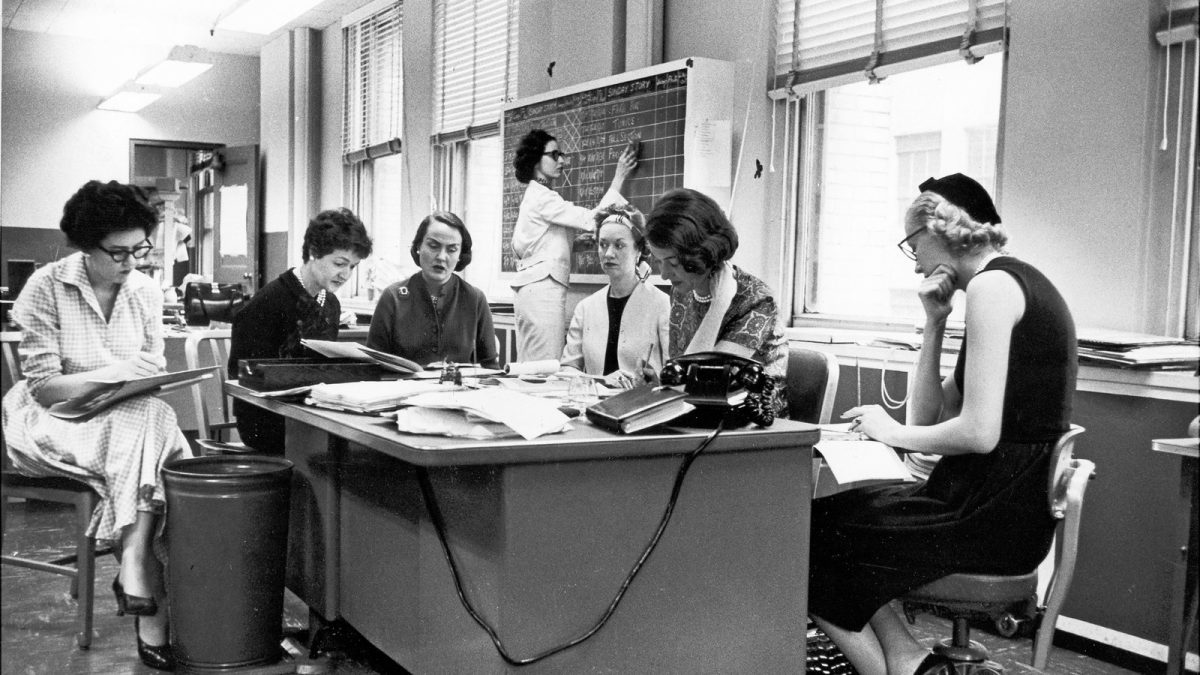
“Good Girls Revolt,” legal actions made in the 70s and 80s against discrimination, granted women more opportunities to be in newsrooms as well , such as the complaint against Newsweek by 46 women.
The fight for equality ended up starting in the mid 20th century, and women started covering wars , fighting for equal pay and hiring, and roles in editorial leadership opened up for women. A year later, 22% of daily newspaper journalists were women according to studies, with that number growing in television and leadership roles by the 1990s.
Major roles are now held after years of struggle and advocating not only for the right to have the careers they want but for issues that were underrepresented, such as reproductive rights, suffrage, and minorities, such as the LGBTQ+ and people of color.
Women in journalism are the voices of people who are unheard or unable to speak out while struggling, and the fight for respect in our careers has been hard. But the results are so worth it. With growing roles in journalism for women and a huge increase in creative freedom compared to before, journalism was made into what it is currently, thanks to super important figures such as Ida Wells, who exposed racial injustice with investigative journalism, and Katharine Graham, who was the first female publisher of The Washington Post.
Women prove they can write about anything from beauty to complex scientific or statistical research, and to this day, racial and gender disparities are addressed in newsrooms