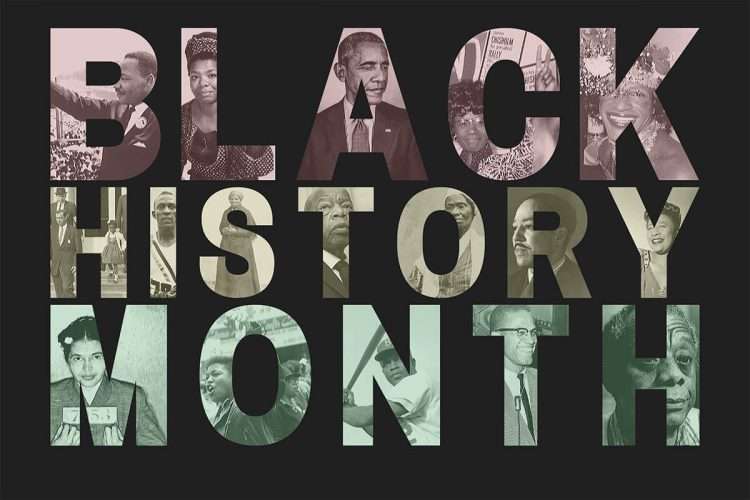
The journey of the Black community in America is a testament to resilience, progress, and an unwavering spirit. From enduring historical injustices to celebrating vibrant cultural expressions, the evolution of this community is a powerful narrative of survival and, increasingly, of thriving. This article explores key aspects of this evolution, drawing insights from educators Ms. Marcellus and Ms. Jones, and examines the tangible steps needed to ensure continued growth and prosperity.
The Black community in America has navigated centuries of systemic obstacles, yet its story is far from one of mere survival. It is a narrative woven with threads of immense strength, profound cultural contributions, and a persistent pursuit of equality and self-determination. As we look at the present and future, understanding this evolution,marked by both historical struggles and significant advancements, is crucial for fostering continued progress and ensuring that the community not only survives but truly thrives.
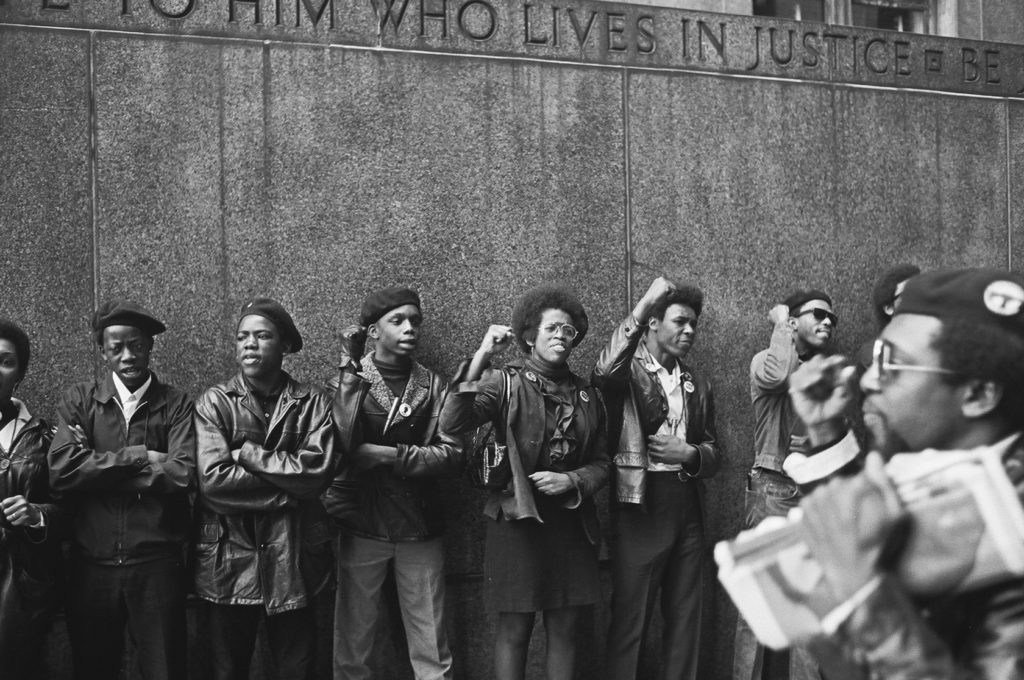
Key moments in Black American history as highlighted by Ms. Jones, like the Nat Turner slave revolts and the Underground Railroad, underscore a foundational history of resistance against unimaginable oppression. These historical struggles paved the way for the triumphs of the Civil Rights Movement, a period Ms. Marcellus identifies a crucial for understanding progress, and one that Ms. Jones calls it a “ staple for resistance.” The bravery of the Little Rock Nine, who integrated Central High School against fierce opposition, serves as a powerful symbol of this enduring fight for basic human rights and dignity. For Ms. Jones’ elders, this fight meant enduring the harsh realities of Jim Crow , a stark reminder of the systemic injustices that fueled the movement and continue to cast a long shadow.
The legacy of the Civil Rights Movement continues to resonate powerfully today. Ms. Jones views it as a vital source of inspiration for speaking truth to power and teaching authentic American history. Ms Marcellues notes its role in dismantling social barriers and reshaping cultural norms, opening doors to opportunities that were once unthinkable. However, the narrative is not solely one of triumph. Ms Jones points out that the very existence of “first” in the 2020’s signifies that systemic barriers remain, and deeply embedded inequalities persist. This is compounded by global discrimination, leading to the complex reality where ‘ everyone loves Black culture, but they don’t love our people.” Similarly, Ms. Marcellues identifies the ongoing presence of societal bias as a persistent battle, even as Black entrepreneurship gains ground.
The representation of Black experiences in the media is a critical area of evolution. Ms. Jones celebrates the increased diversity in portrays, moving beyond stereotypes, yet remains frustrated by lingering harmful caricatures and the tendency for black stories to be told by those outside the community. The rise of authentic voices like Ava DuVernay offers hope, counterbalancing the often stereotypical narratives seen elsewhere. Ms Marcellus shares the frustration of underrepresentation and stereotyping. Amidst these challenges, the concept of “Black Joy” has emerged as a vital force. Ms. Jones sees it not just as celebration of culture and resilience, but as a deliberate act of resilience, against historical oppression – a way to find hope and light in the face of adversity, a modern-day manifestation of the spirit that built communities like Tulsa and Rosewood.
Looking forward, both educators emphasize the importance of community, knowledge,and proactive engagement. Ms. Jones stresses the enduring power of hope and the necessity of seeking solidarity within the Black community, armed with truth and knowledge. Her tangible goal for the next decade is to “build our libraries with worthwhile literature” and to foster international connections, expanding worldviews beyond the American diaspora. Ms. Marcellus echoes the call for mutual support and learning from shared history, advocating for robust mentorship programs and increased resources for undeserved schools.
The path forward for the Black community is one of continued evolution, building upon a legacy of profound strength and resilience. By honoring the past, critically engaging with the present, and actively investing in knowledge, community, and global connection, the Black community is poised not only to overcome historical obstacles but to thrive, leaving an indelible mark on the fabric.