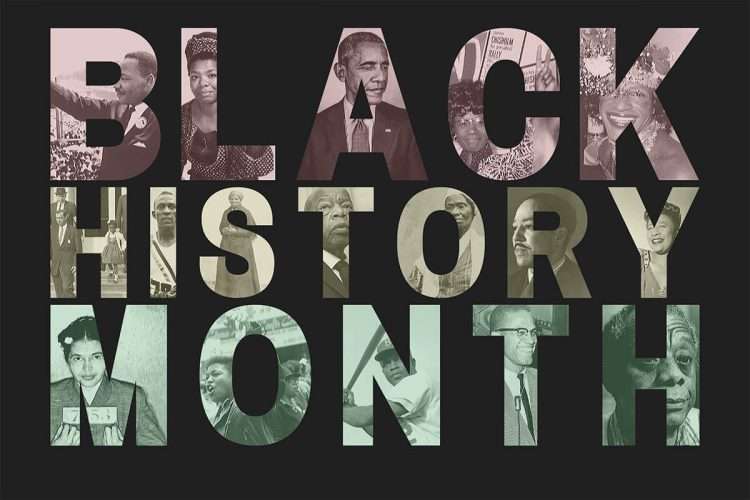
Black History Month is a time when we all celebrate the culture and diversity of Black excellence, especially celebrated most in the Black community.
On the 12th of February, Lakeside presented a Black History Month program during SAIL. The program will include ideas like trends and influencers of the Black community’s fashion, culture, and history.
This event, organized by Mrs. Tate and Mr. Stean, allowed students to play a large part in the production. The program demonstrated the never-ending history of Black culture, while also being designed to educate those who are not as informed as others.
The program will present acts that show all the different sides of Black culture. One segment is HBCU Pride.
We previously saw HBCU Pride in last year’s assembly; the HBCU Pride segment will feature faculty members and staff who will represent their sorority or fraternity through wearing their respective colors and strolling.
Another prominent section that will be a part of the program will be the evolution of Black athletes across the globe.
Blaire Griffiths, 11th, states,s “I will be portraying the role of ‘ Flo Jo’, Florence Joyner. I hope to help exemplify the influence Flo Jo had on the world and her importance in track and field, while also educating the uneducated.”
Roles such as Flo Jo were assigned to students and faculty at the beginning of January, and since then, they have been practicing to flawlessly represent their role.
Fadela Saura, 11th, will be a show runner for this year’s program since she is the president of Trifecta; she will also welcome students and staff.
Practice for Fadela consists of “breaking up into groups and practicing cultural dances, then at the end of practice, we do a full show run-through as if it were the day of the performance.”
Practice for the Black History Month program occurs after school in the cafeteria; practice is slightly different depending on the category of Black History you will represent.
For Chris Williams, he will “play Cupid this year due to Valentine’s Day falling during the month of love and Black History. Practice for me varies because sometimes we work individually or with small groups on our characters, while sometimes we do a full run-through. I personally also practice at home.”
Flaws are bound to happen, and through practice, those flaws can be tamed to a minimum.
Fadela Saura states, “Last year, I think we had a bit of a timing conflict trying to adjust everyone’s schedules and practice time,s so we ended up rushing. This year, though, things should be different with the amount of work and preparation we are putting into this performance.”
During our Black History Program, students and faculty can expect to be entertained and educated on only a small number of the contributions of African Americans in this country, and the importance of Black History.