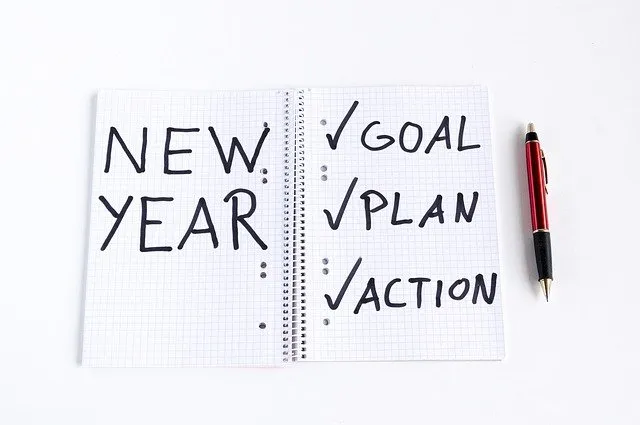
If you have ever made a New Year’s resolution and then watched it fade by February, you are not alone. The issue is not laziness but strategy, since habits tend to develop from patterns and surroundings more than from motivation that comes and goes.
In the book Atomic Habits, author James Clear gives one of the clearest explanations for why big goals often fail when daily routines do not change, and he writes, “You do not rise to the level of your goals. You fall to the level of your systems.”
That idea matches what many behavior scientists say about how habits form, because the brain learns fastest when an action repeats in the same situation, like studying at the same desk right after dinner, or taking a short walk right after you get home from school, since the repeated situation becomes a cue that starts the behavior without long debate.
Stanford researcher BJ Fogg is known for teaching people to start smaller than they think they should, and his main message is simple enough to remember when you are tired. He expressed, “The essence of Tiny Habits is this: Take a behavior you want, make it tiny, find where it fits naturally in your life, and nurture its growth.”
Tiny habits are effective because they reduce the effort to start. Once you start, you are more likely to continue. Which is why one push-up can turn into a workout, or a single paragraph can create a full page. The hardest part is often starting when the task feels big.
Time also matters, but not in the way many people think. The popular idea that habits form in twenty-one days is not supported by strong research. A study from University College London reported, “It takes an average of 66 days to form a new habit,” which means you should plan for months, not weeks, and you should treat slow progress as normal instead of a failure.
Another science-backed approach is to shape your environment so the good choice is the easy choice. When the healthy food is visible, and the phone is out of reach, you avoid having to fight yourself as often, and that matters since your surroundings can affect you harshly.
Psychologist Wendy Wood describes habit as something that is built through repeated cues and responses. She writes, “A habit happens when a context cue is sufficiently associated with a rewarded response to become automatic,” which explains why the place, the time, and the reward matter as much as the goal itself.
If you want a practical plan for the new year, choose habits that are small and specific. Then attach it to something you already do, like brushing your teeth or opening your laptop, and make your surroundings help you. The best New Year habits are driven by simple actions you can repeat until they feel normal.