Navratri is a Hindu festival that means “nine nights.” It celebrates the victory of good over evil and includes nine nights of worship, fasting, and dancing. While the festival is known for its traditional dances and dazzling outfits, it also honors the divine feminine through various rituals. It carries a deeper meaning that inspires people of all ages.
According to Hindu tradition, it marks the time when Goddess Durga defeated the powerful demon Mahishasura, restoring peace to the world. Each of the nine nights is dedicated to a different form of the goddess, each representing qualities such as bravery, kindness, wisdom, and protection. For many people, Navratri is also a time for self-reflection, focusing on positivity, letting go of stress, and growing spiritually.
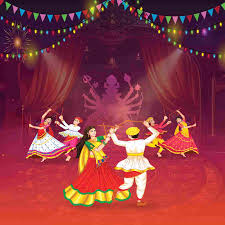
One of the most exciting parts of Navratri is the Garba and Dandiya Raas dances, held every night at community halls and open grounds. The dancers dressed in colorful traditional clothing move in circles to the beat of lively music, often using decorated sticks called dandiyas. The energy is contagious, even if you don’t know the steps, and it’s hard not to clap along.
Garba is a traditional dance from the Indian state of Gujarat. It is performed in a curricular formation around a decorated pot or an image of the goddess. The Dancers move gracefully in circles, clapping their hands in rhythm to traditional songs played on instruments like dhol (drum) and shehnai ( flute ). Each step is filled with energy and emotion, and it’s not just dance, but a form of prayer through movement.
Dandiya Rass, on the other hand, is known as the “ Dance of sticks.” In this dance, the dancer uses two colorful sticks called dandiyas and taps them together in rhythm with the music. The dance is performed in pairs or groups, and it often grows into large circles of movement.
Homes and temples are decorated with flowers and light, and many people fast or eat vegetarian meals as a form of loyalty. The tenth day, known as Dussehra, marks the grand finals and symbolizes the victory of good over evil and the importance of doing what’s right even when it’s difficult.
Navratri is more than just a festival of music, dance, and celebration. It is a spiritual journey that honors good over evil and the power of the divine feminine. The nine nights of worship, self-reflection, and joyful expression. The traditions such as Garba and Dandiya Raas bring communities together in vibrant displays of culture and unity, while the rituals, fasting, and the final celebration of Dussehra.